
It’s a common experience for men to feel disconnected from their emotions. You may notice yourself shutting down in moments of stress or struggling to articulate what you’re feeling, even to the people closest to you. It’s not that you don’t care – you do – but accessing those deeper emotions feels like navigating uncharted territory. Society often tells men to be strong, stoic, and self-reliant, leaving little room to process or express feelings. While these traits may have their place, they can also lead to emotional disconnection, leaving you feeling numb, isolated, or uncertain about how to move forward.
If this sounds familiar, you’re not alone. Many men face similar challenges, shaped by societal pressures and personal experiences. The good news? Emotional connection isn’t a fixed trait – it’s a skill that can be nurtured and developed. As a men’s therapist in San Francisco, CA, I’ve worked with men to reconnect with their emotions and build lives that feel more authentic and fulfilling. Therapy provides a supportive space to explore these feelings, understand their roots, and learn tools to navigate them effectively.
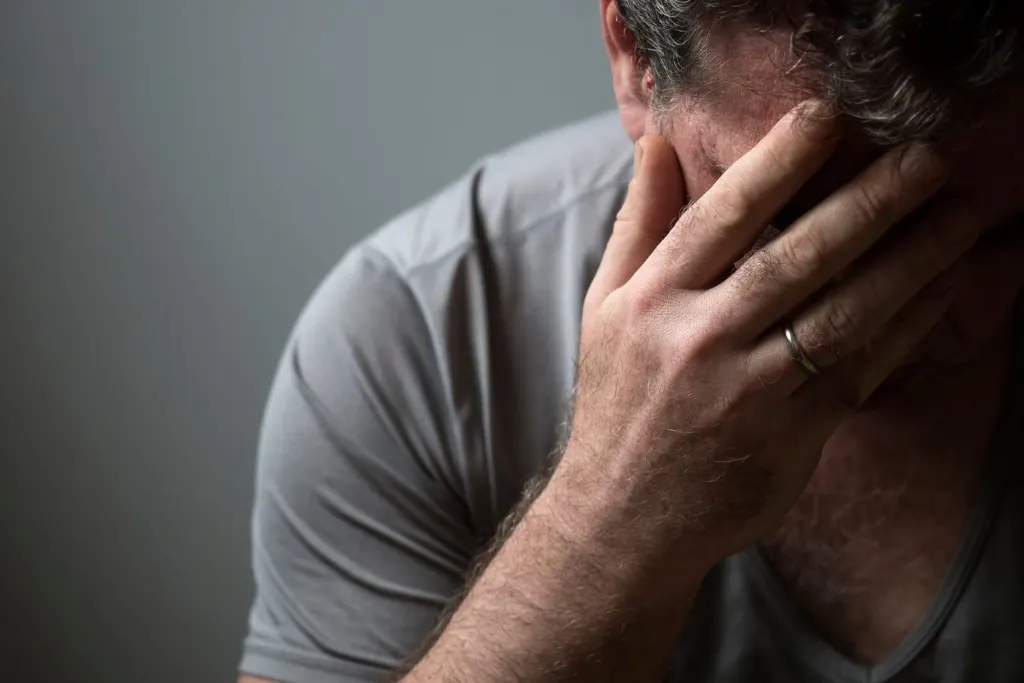
Why Emotional Disconnection is Common Among Men
For generations, men have been told to avoid vulnerability and "man up" when faced with challenges. This cultural narrative often starts in childhood, where boys are praised for being tough but discouraged from showing sadness or fear. Over time, these messages create an internalized belief that emotions are a sign of weakness, something to be avoided rather than embraced. In adulthood, these patterns may lead to difficulty expressing feelings or even recognizing them. Men often default to logic or action to solve problems, bypassing the emotional work required to process deeper issues. While this approach can be effective in certain situations, it leaves little room for introspection or emotional growth. These societal norms can also strain relationships, as partners, friends, and family may feel shut out or disconnected. Emotional disconnection isn’t a failure – it’s a learned behavior that can be unlearned with the right support and tools.
The Cost of Emotional Disconnection
Living disconnected from your emotions can take a significant toll on your mental health, relationships, and overall well-being. Over time, you may notice feelings of numbness or detachment from the world around you. You might struggle to identify what’s wrong, turning to distractions like work, alcohol, or other coping mechanisms to avoid uncomfortable feelings. This disconnection often leads to physical and emotional symptoms. Suppressed emotions don’t simply go away – they manifest in other ways, such as anxiety, irritability, or even physical health issues like tension headaches or fatigue.
You might also find yourself reacting with anger or frustration in situations that feel overwhelming because those are the emotions society has told you are acceptable for men to express. Relationships can also suffer. Emotional disconnection can make it difficult to communicate effectively, leaving your partner, friends, or loved ones feeling distant or unheard. Over time, this dynamic can create misunderstandings and conflict, further deepening feelings of isolation. Recognizing these patterns is the first step toward change. Men's online counseling offers a space to address these challenges and start building a healthier relationship with your emotions.