
How does men’s grief differ from women’s grief?
Grief is something everyone experiences, but it can look and feel different depending on who you are. You might be wondering, What does grief in men look like compared to women? or Why do men seem to process loss differently? These are important questions, and grief counseling in San Francisco, CA can help you explore them. Grief can show up in unexpected ways – emotionally, physically, and mentally. For many men, the grief experience is shaped not just by loss, but also by societal pressures that often encourage them to push through grief without expressing their emotions.
If you’ve noticed that your grief feels different or that you’re struggling to cope, it’s okay to seek support. Working through these feelings with a grief therapist can give you the space to understand how your grief compares to others and, more importantly, how to manage it in a healthy way.
How do men deal with grief differently?
When men experience grief, they often handle it in ways that may look different from women. For example, many men might throw themselves into work or stay busy with tasks as a way to cope. By keeping their minds occupied, they may feel like they’re staying in control of their emotions. While this can be a temporary way to manage grief, it doesn’t always allow men to fully process their feelings. On the other hand, women may be more likely to openly talk about their emotions with friends or loved ones, seeking comfort through connecting with others.

Men may also turn to less healthy coping mechanisms, such as drinking alcohol or withdrawing from social activities. This can sometimes stem from societal expectations that men should suppress their emotions and avoid showing vulnerability. Unfortunately, these behaviors can prolong the grieving process and make it harder to heal.
How does grief affect a man?
Grief can hit anyone hard, but for many men, it comes with its own set of challenges. If you’re wondering how does men’s grief differs from women’s grief or just trying to understand what grief really looks like for men, you’re in the right place. I know that for many men, dealing with grief isn’t just about feeling sad. It’s often about battling fatigue, changes in appetite, or sleepless nights. Emotionally, it can be tough too. You might feel a mix of sadness, anger, or frustration, and finding the right way to express those feelings can be even harder. 
I get it – society often tells men to stay strong and keep emotions in check. This can make the grieving process feel isolating and overwhelming. If you're grappling with these feelings or just need some guidance, grief counseling in San Francisco, CA can be a great resource. It’s a space where you can talk openly and find the support you need to navigate these tough times. Understanding how grief affects men like you can be the first step in finding your way through it.
What happens to your brain when you lose a loved one?
Losing someone close to you can have a big impact on your brain, and it’s important to understand what’s happening. When you’re grieving, your brain is processing a lot of intense emotions and stress. You might find it hard to concentrate, or you might feel overwhelmed by sadness. This is because grief can affect the brain areas responsible for memory and emotions, making everyday tasks seem harder.
When we talk about "What does grief in men look like?" it’s helpful to know that men might experience these brain changes in unique ways. For example, some men might feel a strong urge to keep busy with tasks or throw themselves into work as a way to cope. This can be a way to deal with the emotional weight. As easy as that may seem, it’s important to recognize that these feelings are a normal part of grief. Understanding these changes can help you be kinder to yourself during this tough time.
If you’re struggling with how grief affects your mind, remember that talking to a professional can offer support and help you find ways to manage these feelings effectively.
What does grief feel like in the body?
Grief isn't just an emotional experience; it profoundly affects your body too. When you’re grieving, you might feel a heavy weight in your chest, a tightness that doesn’t seem to go away. This physical discomfort can be accompanied by headaches, which might feel like constant pressure or throbbing. Your stomach might feel uneasy, as though you’re constantly dealing with knots or nausea.
Many people also experience fatigue that makes everyday tasks feel overwhelming, even exhausting. Changes in appetite are common – you might eat far more than usual or not feel hungry at all. Sleep disturbances are also frequent; you might struggle to fall asleep or wake up in the middle of the night with racing thoughts.
These physical symptoms are your body’s way of responding to the emotional pain you're feeling. Grieving can be a rollercoaster of physical sensations, and it’s important to recognize that these responses are a normal part of the process.

Why do men struggle with grief?
Grief is a universal experience, but the way men process and express grief can sometimes look very different from others. Societal norms often encourage men to suppress emotions, making it difficult for them to navigate through the intense feelings that come with loss. Whether it's the loss of a loved one, or losing your belongings due to a natural disaster, grief can be overwhelming for anyone. However, for many men, the pressure to remain stoic can make the grieving process even more isolating.
Seeking grief counseling in San Francisco, CA can provide men with the support they need to openly process their emotions in a healthy and constructive way. In a world where men are often expected to "tough it out," counseling offers a safe space to explore complex emotions without judgment. This kind of support can be essential for men who may not feel comfortable opening up about their grief to friends or family.
What is the hardest stage of grief?
Grief is a deeply personal experience, and the hardest stage of grief can vary for each individual. Some people may find the denial stage the most difficult as they struggle to accept the reality of their loss. Others may feel overwhelmed by anger, especially if the loss feels unfair or unexpected. The bargaining stage can also be challenging for those who constantly replay “what if” scenarios in their mind. Depression, marked by sadness and despair, is often seen as one of the most painful stages. Finally, while acceptance is the goal, reaching it can be tough and doesn’t mean the grief is “over.” Each stage affects people differently, and it’s important to remember that grief isn’t a linear process. What feels unbearable for one person may not be as challenging for another. Everyone’s journey through grief is unique.
Do men often have a difficult time expressing grief?
Yes, men frequently face challenges when it comes to expressing grief, and much of this stems from societal expectations. From a young age, many men are taught to "be strong" and avoid showing vulnerability or emotions. As a result, when they experience loss, they might feel pressure to suppress their emotions or handle them privately. Instead of openly talking about their sadness or frustration, men might channel their grief into action, focusing on work or hobbies to distract themselves. This emotional isolation can lead to a deeper sense of loneliness or difficulty moving forward.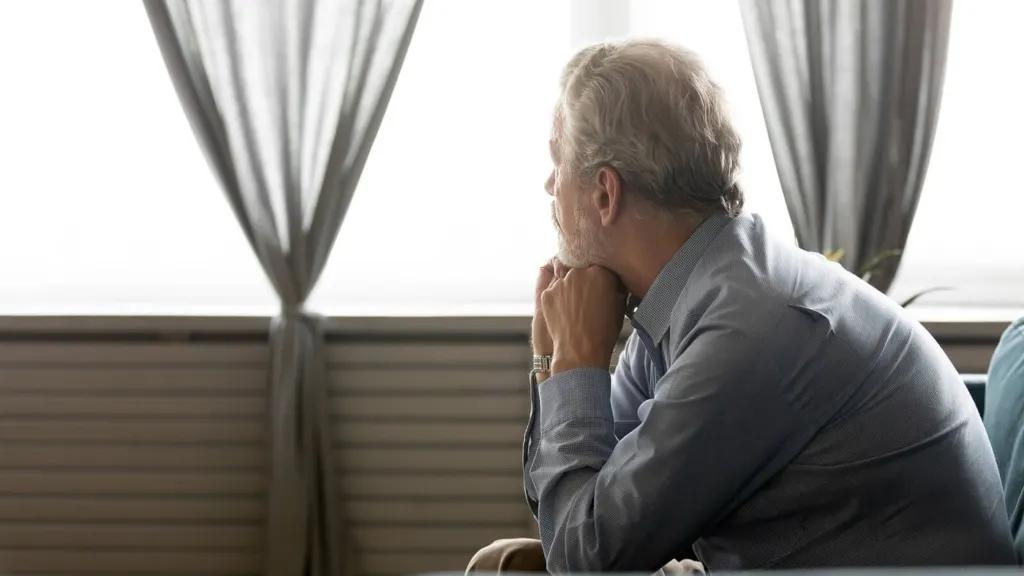
Perhaps you notice other family members grieving differently and wonder, how does men’s grief differ from women’s grief? In many cases, women are encouraged to talk about their feelings, while men may feel they should stay silent and keep their emotions hidden. This difference means that while women might seek comfort in expressing sadness, men may bottle up their emotions or channel their grief into anger or frustration. These cultural expectations can make it more difficult for men to seek support or feel comfortable showing how they’re really feeling.
What Does Grief in Men Look Like?
When you’re grieving, especially after the loss of a pet, spouse, or significant life change, it can feel like the weight of the world is pressing down on you. As a man, you might find yourself navigating these overwhelming emotions differently. Society often expects you to stay strong, keep your emotions in check, and avoid showing vulnerability. But grief doesn’t always cooperate with those expectations. Your grief might not look like the tears or open sadness that others show. Instead, it might come out as anger or irritability. You might notice yourself getting frustrated over small things or feeling more on edge than usual. Or maybe you’re pulling away from the people around you, becoming more distant because it feels safer to deal with your emotions alone.
You might even find yourself throwing yourself into work or hobbies, trying to stay busy so you don’t have to think about the pain. This can help in the short term, but over time, it might leave you feeling empty or burnt out when the distractions stop working. And then there are the physical symptoms – headaches, muscle tension, or constant fatigue – that seem to come out of nowhere. These can be your body’s way of showing that your grief is taking its toll, even if you haven’t fully recognized it yet.
Grief doesn’t have to be a solitary journey. Grief counseling in San Francisco, CA can offer you a compassionate space to explore these feelings. You don’t have to go through this alone, and it’s okay to seek help. In this blog, we’ll explore how grief can uniquely impact you and how you can start to heal in a way that honors your experience and emotions.
How Do Men Express Grief?
Men often express grief in ways that might not always align with societal expectations. While some may show their emotions openly through tears or verbal expressions of sorrow, others might keep their feelings more private, dealing with their pain internally. You might find yourself withdrawing from social activities, focusing heavily on work, or engaging in solitary activities as a way to cope. Some men may experience physical symptoms like headaches, fatigue, or changes in appetite, which can be linked to the emotional toll of grief. It's important to remember that there is no "right" way to grieve. Everyone processes loss differently, and what matters most is finding a path that allows you to heal at your own pace.