
Men’s Mental Health Matters: How a Men’s Therapist in San Francisco, CA Can Help
You might be the guy who’s doing all the “right” things. You’ve built a career, you show up for your people, maybe you're even working on eating better or hitting the gym more often. From the outside, things look solid. But inside? It might be a different story.
Maybe you feel disconnected. From yourself. From your partner. From the life you thought would feel more fulfilling than it does. You’re busy – but something’s missing. And when you do slow down enough to notice that emptiness, you’re not quite sure what to do with it.

These are the moments when mental health support can make a difference. Not because you’re broken or there’s something “wrong” with you. But because you deserve a space to figure out what’s really going on beneath the surface, and start feeling more like yourself again.
The Quiet Pressure of “Keeping It Together”
In a place like San Francisco, where the pace is fast and the bar is high, it’s easy to fall into a cycle of constantly pushing forward. You might be balancing work deadlines, showing up in a relationship, trying to stay connected with friends, maybe even thinking about what’s next for your future. And underneath all of that, there’s pressure to hold it together – to not “drop the ball.”That pressure can be quiet, but relentless. You might notice it in small ways:
- Feeling like you don’t have time to even think about how you’re doing.
- Brushing off stress because “other people have it worse.”
- Losing interest in things you used to enjoy, but not having the space to figure out what you actually like anymore.
Over time, the disconnection builds. From your emotions. From people you care about. Even from your own sense of purpose.
Struggling with Communication? How a Men’s Therapist in San Francisco, CA Can Help
You might be someone who really wants to connect – to have better conversations, fewer misunderstandings, and less tension in your relationships. But even with the best intentions, the words don’t always come out right. Maybe you shut down when things get emotional. Maybe you speak up, but it leads to more conflict. Or maybe you just feel like no one’s really hearing you.
If any of that sounds familiar, I understand. Communication challenges don’t mean something is “wrong” with you – they often reflect patterns you’ve developed over time, sometimes without even realizing it. However, these patterns can shift. With support from a men’s therapist in San Francisco, CA, you can learn how to express yourself more clearly, handle conflict with more confidence, and feel more connected in your relationships. 
Why Communication Feels So Hard Sometimes
Communication can still be complicated even when we care deeply about the people in our lives. You might find yourself getting reactive in the heat of the moment, or shutting down altogether to avoid saying something you’ll regret. These responses are often protective, shaped by past experiences, family dynamics, or relationships where you felt misunderstood, criticized, or dismissed.
The way you learned to communicate – whether in your family, past relationships, or even early friendships – often shows up in how you express yourself today. And if those early environments didn’t model healthy conflict or emotional expression, it’s natural that certain conversations now feel overwhelming or unclear.
Sometimes, you’re not even sure what you’re feeling until the conversation ends. Or maybe you’ve never really had the space to unpack what’s going on beneath the surface. This can make expressing your thoughts clearly – or even knowing what you need – feel like a challenge.
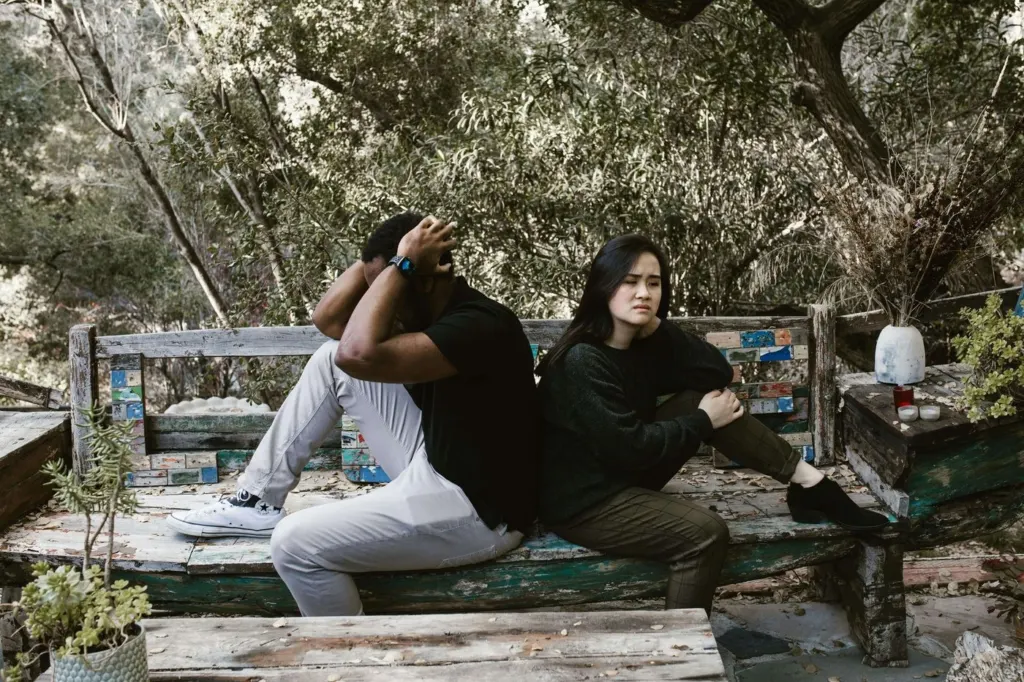
When Conflict Becomes a Pattern: How Therapy Can Improve Communication & Connection
You don’t mean for it to happen, but somehow, you and your partner keep having the same argument. Maybe it starts over something small – who forgot to do the dishes, how long it took to respond to a text – but before you know it, you’re both frustrated, defensive, and exhausted. The words feel familiar, the emotions even more so, like you’re stuck in a loop that you can’t seem to break.
Conflict is normal in any relationship, but when the same issues keep coming up, it can start to feel like you’re speaking different languages.
Misunderstandings pile up, resentment lingers, and instead of finding resolution, you both retreat into silence or escalate into bigger fights. Over time, this cycle can create emotional distance, leaving you feeling unheard, disconnected, and unsure of how to move forward.
If this sounds familiar, you’re not alone. Many people struggle with communication, especially when emotions are high. But the good news? Change is possible. Men's therapy at Simran Bhatia Moving Forward can help you and your partner break these patterns, understand each other more deeply, and build the kind of connection that fosters trust, respect, and intimacy.

Recognizing Unhealthy Conflict Patterns
Not all conflict is bad. In fact, disagreements can be a sign of a healthy, engaged relationship when they lead to understanding and growth. But when arguments start to feel repetitive, like the same fight dressed in different details, it’s often a sign that something deeper is at play.
You might notice patterns in how you and your partner approach conflict.
Maybe one of you shuts down while the other pushes for resolution. Small frustrations escalate into personal attacks. Or maybe you both avoid certain conversations altogether, pretending everything is fine until resentment builds up and spills over. These dynamics – whether it’s avoidance, defensiveness, criticism, or stonewalling – can create distance, making it harder to feel truly seen and heard.
Over time, repeated misunderstandings take an emotional toll.
What starts as frustration can turn into exhaustion, resentment, or even hopelessness. You might start questioning the relationship itself, wondering if things will ever change. But the truth is, these patterns aren’t permanent. With awareness and the right tools, you can learn new ways to communicate – ones that bring you closer rather than push you apart.
Understanding Attachment Styles and How They Affect Conflict
A significant factor that often plays into recurring conflict patterns is attachment style. Our attachment style – the way we connect and interact with others in relationships – can shape how we respond to conflict, how we communicate, and even how we handle emotions in general. Understanding your own attachment style, as well as your partner's, can offer valuable insight into why certain conflicts keep reappearing.
There are four main attachment styles, and they each influence the way we engage with others:
Secure Attachment: Individuals with a secure attachment style are generally comfortable with intimacy and are able to communicate their needs in healthy ways. They’re more likely to engage in productive conflict resolution.
Anxious Attachment: Those with an anxious attachment style often seek validation and fear rejection. They might become more emotional in conflicts, seeking reassurance and fearing abandonment.
Avoidant Attachment: Avoidantly attached individuals tend to shy away from intimacy and may respond to conflict by distancing themselves. They can struggle to open up and often withdraw during arguments.
Disorganized Attachment: This attachment style combines anxiety and avoidance, creating confusion in relationships. These individuals may alternate between pushing others away and seeking closeness, creating a rollercoaster of emotional intensity.

When attachment styles clash, it can fuel miscommunication and misunderstandings. For example, an anxious partner might feel neglected by an avoidant partner’s tendency to withdraw, while the avoidant partner might feel overwhelmed by the anxious partner’s emotional intensity. This cycle can lead to recurring conflicts that never seem to get resolved.
How Your Attachment Style Influences Your Communication
Have you ever wondered why certain conversations with your partner, friends, or family feel like they always end in miscommunication or conflict? It might not be just about the words you’re saying – it could be about how you’re communicating on a deeper level. Your attachment style, which is shaped by early relationships and experiences, plays a huge role in how you connect with others and how you express your emotions. Whether you tend to pull back in moments of stress or seek constant reassurance, your attachment style shapes your communication patterns in subtle but powerful ways.
Understanding your attachment style can be a game-changer in improving your communication, especially when it comes to navigating conflicts and deepening connections. In this blog, we’ll explore how your attachment style influences the way you interact with others and how learning more about it can help you communicate more effectively in all of your relationships.

The Four Main Attachment Styles and Communication
Understanding how your attachment style shapes the way you communicate can be eye-opening. Sometimes, the way we speak – or don’t speak – isn't about the conversation at hand but about the deeper emotional patterns we've carried with us for years.
Secure Attachment
If you have a secure attachment style, you're likely comfortable expressing your needs and emotions without fear. You can listen without becoming defensive, handle conflict with openness, and trust that disagreements don’t threaten the relationship. Communication tends to feel balanced and safe – for both you and your partner.
Anxious Attachment
With an anxious attachment style, communication can sometimes feel overwhelming or urgent. You may find yourself over-explaining, texting repeatedly when you don’t get a reply, or becoming emotional when you're unsure where you stand. These behaviors often come from a deep fear of rejection or abandonment – you're not “too much,” you're just trying to feel safe.
Avoidant Attachment
Avoidant communicators often pull away during emotionally charged moments. If this is you, you might downplay your feelings, avoid vulnerability, or change the subject when things get uncomfortable. It may feel safer to keep a distance than to risk emotional exposure. But over time, this can lead to disconnection – even when closeness is something you quietly crave.
Disorganized (Fearful-Avoidant) Attachment
This style can be the most complex. You might swing between needing reassurance and pushing people away. Communication can feel confusing – not just for others, but for yourself too. You might want connection and simultaneously fear it, leading to mixed messages and emotional highs and lows that leave everyone feeling unsettled.
Navigating Relationships & Emotional Health: Men’s Therapy in San Francisco
If you’ve ever felt like relationships – romantic, friendships, or even family connections – are harder than they should be, you’re not alone. Maybe you find yourself shutting down during tough conversations or feeling pressure to have everything figured out. You might want to be more open, but it’s not always easy to put emotions into words. 
For many men, expressing emotions or talking about struggles hasn’t always felt like an option. Whether it’s the way you were raised, past experiences, or just societal expectations, it can be tough to navigate emotions – especially in relationships. You might feel like you should just “handle it” on your own, but the truth is, that emotional health isn’t something you’re meant to figure out alone.
That’s where therapy comes in. Men’s therapy in San Francisco offers a space to explore what’s really going on beneath the surface – without judgment, pressure, or expectations. It’s not about changing who you are, but about understanding yourself better, improving the way you connect with others, and learning how to handle emotions in a way that works for you.
The Connection Between Emotional Health and Relationships
Our emotional health shapes the way we connect with others – whether in dating, friendships, or family dynamics. When we feel emotionally grounded, relationships tend to feel easier, more fulfilling, and less stressful. But when emotions feel overwhelming or unprocessed, they can make it harder to communicate, be vulnerable, or navigate conflict in a way that feels productive.
How Emotional Health Strengthens Your Relationships
Romantic Relationships: When you understand your emotions and needs, it becomes easier to express them to a partner. This builds deeper connection, trust, and intimacy – creating a relationship where both people feel seen and understood.
Friendships: Strong emotional health helps foster meaningful friendships. It allows you to show up authentically, communicate openly, and build bonds that feel supportive and lasting.
Family Dynamics: Navigating family relationships can be complex, but when you have the emotional tools to set boundaries, express yourself, and process past experiences, it can lead to healthier, more balanced connections.The good news? Emotional health is something you can actively work on, and doing so can make relationships feel less draining and more fulfilling. Working with a men's therapist can be a space to build that foundation, helping you approach relationships with confidence, clarity, and a stronger sense of self.
Common Relationship Challenges Men Face
Relationships aren’t always easy, and for many men, certain challenges come up again and again. Maybe you feel like you’re doing everything you can to balance work, responsibilities, and personal life, but still, something feels off in your relationships. Or maybe being emotionally open doesn’t come naturally, and you’re not sure how to change that.
Here are some common struggles men face in relationships – and why they matter:
Work-Life Balance & Its Impact on Relationships
Long hours, demanding careers, and the pressure to always be “on” can leave little time or energy for relationships. It’s easy to feel disconnected when stress takes over, and sometimes, it’s hard to even notice how much it’s affecting your partner, family, or social life.
Struggles With Vulnerability & Emotional Intimacy
A lot of men weren’t raised in environments where expressing emotions was encouraged. If you’ve spent years pushing feelings aside, opening up to a partner or friend can feel uncomfortable – maybe even impossible. But the ability to be emotionally present is key to building deep, meaningful connections.
Unhealthy Relationship Patterns From the Past
Our early experiences shape how we show up in relationships. If you grew up in an environment where emotions weren’t talked about or experienced past relationships that left you feeling hurt or guarded, those patterns can stick around. Without realizing it, you might avoid closeness, react defensively, or struggle with trust.
Handling Conflict & Communication Breakdowns
Conflict is a natural part of any relationship, but how it’s handled makes all the difference. If arguments always end in frustration or silence, or if certain conversations feel impossible to have, it can create distance and resentment over time. Learning how to communicate clearly – without shutting down or getting defensive – can help relationships feel more stable and connected.

Why Dating Feels Different Now: How Men’s Counseling in San Francisco Can Help
Dating today isn’t what it used to be. Maybe you’ve noticed that things feel more complicated – expectations have shifted, communication feels trickier, and the whole process can be exhausting. Whether you're navigating dating apps, figuring out what you want in a relationship, or dealing with the fear of rejection, it’s easy to feel overwhelmed.
You might wonder if it’s just you. It’s not. Dating has changed, and so have the pressures that come with it. Whether you’re newly single, have been out of the game for a while, or are struggling with dating anxiety, it’s understandable if this process feels frustrating. And if your confidence has taken a hit, you’re not alone.
That’s where men’s counseling in San Francisco comes in. Therapy isn’t about giving you a script for the perfect first date – it’s about understanding yourself, your needs, and what’s holding you back in your relationships. A men’s therapist in San Francisco, CA can help you navigate the emotional side of dating, build confidence, and approach relationships with clarity and intention.

Why Dating Feels Harder Than It Used To
You might look back on a time when dating felt easier – when things seemed to happen naturally, without all the second-guessing. So, what changed? The truth is, modern dating comes with a different set of challenges, and it’s not just about the apps.
For one, expectations around emotional availability and communication have shifted. Many men were never really taught how to talk about their feelings in a deep or vulnerable way, but now, emotional awareness is often seen as a key part of dating and relationships. If expressing your emotions doesn’t come naturally, you might feel like you’re always saying the wrong thing – or worse, not saying enough.
There’s also the pressure to “have it all together.” Whether it’s career success, emotional intelligence, or physical fitness, it can feel like you’re expected to check every box before you’re seen as a desirable partner. That pressure can lead to self-doubt, overthinking, and even avoidance when it comes to putting yourself out there.
And then there’s rejection. It’s never easy, but in a world of ghosting and quick swipes, rejection can feel personal – even when it’s not. If you’ve experienced heartbreak or repeated disappointments, it’s understandable if you feel hesitant to try again.
Bereavement Counseling for Pet Loss: Honoring and Healing From Your Grief
Understanding the Grief of Pet Loss
Grieving a pet can feel just as intense as grieving a human loved one. It makes sense – your pet was a constant companion, a source of unconditional love, and part of your daily life. Maybe they were there through major life changes, saw you through difficult times, or simply greeted you at the door every day. Their absence can be jarring, leaving behind an emptiness that’s hard to put into words.
The loss can bring up a mix of emotions, and they don’t always make sense. Some days, you might feel overwhelming sadness. Other days, you might feel anger – at yourself, at the situation, or even at others who don’t seem to get what you’re going through. Guilt is also common, especially if you have to make the heartbreaking decision to say goodbye.
Then there’s the loneliness. When you lose a person, there’s usually an acknowledgment of grief. With pets, people might not recognize just how much you’re hurting. That’s why having a space to process – like grief counseling – can make all the difference.

How Bereavement Counseling Can Help You Process Pet Loss
Grief isn’t something you “fix” or “get over.” It’s something you learn to carry differently over time. And sometimes, the weight of it feels unbearable – especially when the world around you doesn’t acknowledge how deep your pain runs. That’s where bereavement counseling comes in.
Working with a grief therapist in San Francisco, CA, gives you a space where your feelings are seen, validated, and understood. Grief counseling isn’t about rushing your healing or forcing closure. It’s about honoring your grief, making sense of the emotions that come with loss, and finding ways to move forward while still holding space for the love you had for your pet.
Some of the ways grief therapy can support you include:
Giving Yourself Permission to Grieve – It’s easy to minimize your loss when others don’t understand, but your grief is real. A therapist can help you process feelings of sadness, guilt, or anger without judgment.
Creating Rituals of Remembrance – Honoring your pet’s memory in a way that feels meaningful to you – whether that’s through writing, artwork, or creating a special memorial – can be an important part of the healing process.
Navigating Complicated Emotions – If you had to make a difficult end-of-life decision for your pet, therapy can help you process the guilt and self-doubt that often come with it.
Coping With the Changes in Daily Life – Losing a pet means losing daily routines, moments of companionship, and even a sense of purpose. Grief therapy can help you adjust to life without your pet while still holding onto the love and memories.

Grief Looks Different for Everyone: How a Therapist in SF Can Help You Cope
You might have heard that grief comes in stages, moving predictably from denial to acceptance. But in reality, grief is messy, unpredictable, and deeply personal. Some days, you might feel like yourself again. On other days, a small reminder – a song, a scent, a familiar place – can bring everything rushing back.
Everyone’s grief journey looks different, and that's okay. There's no "right" way to grieve or set a timeline for when you should start feeling better. Whether you’re mourning the loss of a loved one, a pet, a relationship, or even the life you once imagined for yourself, your experience is uniquely yours.
A therapist who offers grief and loss counseling can help you process these emotions in a way that feels right for you. Therapy provides a space to explore your grief without judgment, offering support and coping strategies tailored to your unique journey.
In this blog, we’ll discuss different types of grief, how therapy can help, and why finding the right support makes all the difference.
How Grief Manifests Differently in People
Grief isn’t just something we feel in our hearts – it affects our whole selves. The way it shows up can vary widely from person to person, and sometimes, even from day to day.
Emotional Responses:
Grief can stir up a range of emotions – some expected, others surprising. You might feel overwhelming sadness or anger at what you've lost. There could be feelings of guilt or relief, especially if the loss was a long time coming. Some days, you might even feel numb, and disconnected from everything and everyone around you. These emotional waves are all part of the grieving process, and none of them are "wrong."
Physical Symptoms:
Grief doesn’t always stay inside our minds – it can show up physically too. Some people feel exhausted, as though the weight of their grief is taking a toll on their body. Others might experience headaches, sleep disturbances, or changes in appetite. It’s not uncommon for grief to impact how we care for our bodies, sometimes in ways we don’t even realize until we take a step back.
Behavioral Changes:
When you’re grieving, your routines may shift. You might find yourself withdrawing from friends or family, unable to engage in the activities you once enjoyed. On the other hand, some might seek distractions in work or hobbies to avoid facing the pain. These changes can feel confusing, but they’re part of the process – grief can make even the simplest tasks feel like a challenge.
Cultural & Personal Differences:
How we grieve can be influenced by our backgrounds, traditions, and personal beliefs. For some, grief may be an intensely private experience, while others may find comfort in communal rituals. In some cultures, openly expressing grief is encouraged, while in others, it may be seen as a more private matter. A therapist can help you navigate how your unique cultural or personal background shapes your experience of loss and grief.

What To Look For in a Grief Therapist: Finding Support in San Francisco, CA
Grief is one of those experiences that can leave you feeling completely unmoored. Maybe you’ve lost someone who meant the world to you, or perhaps you’re mourning a different kind of loss – a relationship, a dream, or even a sense of who you were before everything changed. Whatever your story, grief is deeply personal, and no two journeys through it look the same.
But how do you know if grief therapy is the right choice for you? And what should you look for in a therapist who truly understands your needs? In this blog, we’ll explore what qualities and approaches to prioritize when choosing a grief therapist, as well as how to determine when it might be time to seek professional support.
If you feel stuck, overwhelmed, or unsure how to cope with your emotions, a grief therapist can help. They are not there to rush your healing or tell you to "move on," but to walk alongside you, offering support and tools to navigate the complexities of loss.

What Kind of Therapist is Best for Grief?
When it comes to finding the right therapist to support you through grief, it’s important to seek someone who not only understands the complexities of loss but also approaches it with empathy and flexibility. Here are some key qualities to look for:
Specialized Training in Grief Counseling
Grief isn’t just about sadness – it’s a complex emotional and psychological process. Therapists with specific training in grief, loss, and bereavement bring valuable tools to the table. They may use evidence-based approaches like grief-focused cognitive-behavioral therapy, which helps address thoughts and feelings associated with loss, or narrative therapy, which allows you to reframe your story in a way that honors your healing. Specialized knowledge means your therapist can meet you where you are, with techniques tailored to grief’s unique challenges.
Compassionate and Nonjudgmental Presence
Grief can evoke a variety of emotions – anger, guilt, confusion, or even moments of relief – and every single one is valid. That’s why it’s crucial to find a therapist who creates a safe, empathetic space where you can explore your feelings without fear of judgment. A compassionate presence lets you open up at your own pace, knowing you’ll be met with understanding, not pressure.
Cultural Sensitivity
Grief isn’t experienced the same way across cultures, and a good therapist will honor and respect the traditions, values, and beliefs that shape your experience of loss. Whether you follow specific rituals, acknowledge family dynamics, or simply understand how grief is expressed in your culture, a culturally sensitive therapist ensures you feel seen and supported in every aspect of your journey.
Flexibility in Approach
Grief doesn’t follow a neat, linear path. One day you might feel like you’re managing, and the next, it might feel like the loss is brand new. A skilled grief therapist understands this ebb and flow and tailors their approach to your unique needs and pace. They’ll meet you wherever you are – whether that’s diving deep into your emotions or simply helping you get through the day.
How Couples Can Create Meaningful Goals Together for a Stronger Relationship: Insights from a Men’s Therapist
Creating meaningful goals together can be a transformative experience for couples. It’s not just about planning for the future but also about deepening your connection in the present. When you set goals as a team, you’re not only working towards shared dreams but also strengthening the foundation of your relationship. Whether it’s planning a big move, starting a new hobby together, or simply aiming to improve communication, these shared objectives can bring you closer and foster a sense of unity.
As ae men’s therapist in San Francisco, I’ve seen firsthand how couples who set and pursue goals together often develop a stronger bond and a clearer sense of purpose. This process helps you grow both individually and as a couple, creating a partnership that’s resilient and fulfilling. In this blog, we’ll explore how to create goals that reflect your unique relationship and the steps to turn those goals into reality.
The Power of Shared Goals
Setting goals together as a couple is more than just a practical exercise – it’s a way to strengthen the emotional and relational bond you share. When you create a vision for your future as a team, you align your individual dreams with a collective purpose. This sense of teamwork fosters deeper understanding and connection, turning both the journey and the destination into shared experiences.
Having common goals helps couples navigate challenges with a clear sense of direction, making it easier to face difficult moments together. Whether it’s budgeting for a vacation or planning life milestones like buying a house, shared goals provide a roadmap that reinforces your commitment to one another.
What’s most rewarding is how this process can be fun and fulfilling. As you work together toward something you both care about, you celebrate wins together, big or small, and grow closer with every step. Goal-setting is a powerful tool for creating alignment in your relationship, turning you both into active partners in shaping your future.